


New Year’s Day: Tragedy in the French Quarter
By sharing, you're not just spreading words - you’re spreading understanding and connection to those who need it most. Plus, I like it when people read my stuff.
New Year’s Day is supposed to be a time of renewal—a day to leave the past behind and embrace the possibilities of the year ahead. For me, it’s always been a quiet, reflective holiday. The revelry of New Year’s Eve gives way to a slower, more thoughtful morning. But this year was different. This year, the morning began with a phone buzzing incessantly, the world waking not to promise but to pain.
“Truck Plows Into French Quarter Crowd: 10 Dead, Dozens Injured.”
I read the headline twice, maybe three times, before the words began to sink in. Even then, they didn’t feel real. The French Quarter—Bourbon Street, specifically—was a place I associated with life, laughter, and music. It wasn’t just a place. It was a mood, an energy, a collective celebration of being alive. To imagine that space filled with fear and devastation was unthinkable.
But the images confirmed it. Streets where music once poured into the night were now cordoned off with police tape. Ambulances lined the cobblestones. Bodies lay beneath white sheets. People who had come to ring in the new year had instead met unimaginable horror.
The Connection That Hit Close to Home
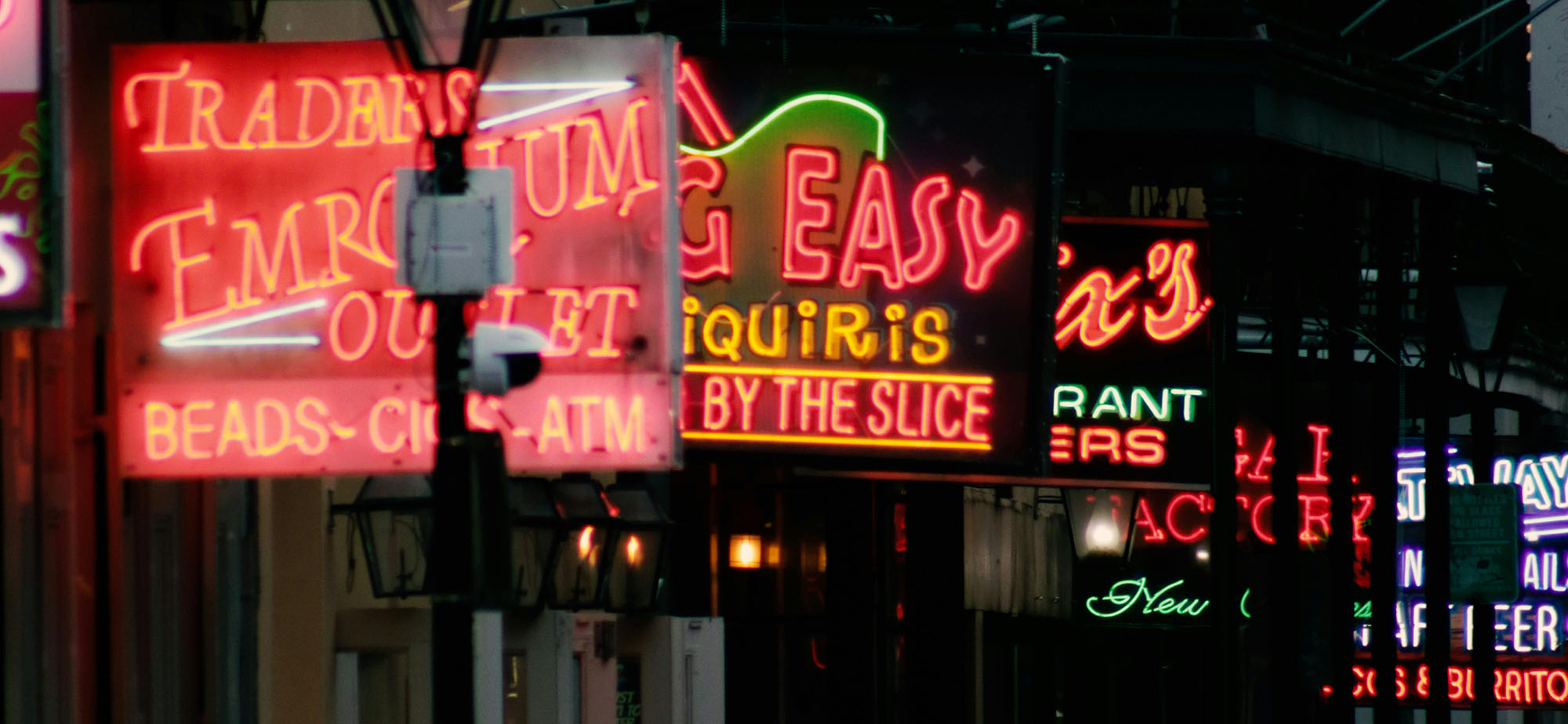
I have a friend who is a musician—a regular fixture in the French Quarter’s music scene. He plays at a bar two doors down from where the attack happened. His performances are as much a part of Bourbon Street as the wrought-iron balconies and neon signs. I could almost picture him there, tuning his instrument as patrons trickled in, ready to fill the room with blues and jazz.
The realization hit me like a punch to the gut: Was he there last night?
I grabbed my phone and sent him a message, my fingers trembling as I typed. “Are you okay? Were you there last night?” The seconds that followed felt like an eternity, each one stretching out as I imagined scenarios I didn’t want to imagine. What if he hadn’t made it out? What if he had been there, just steps away from the truck’s path?
When his reply finally came, I could barely read it through the haze of anxiety. “I’m fine. Wasn’t even in New Orleans.” Relief washed over me so intensely I had to sit down. He had been playing a gig in another city that night. He wasn’t even close to the French Quarter when the attack happened.
But the relief was fleeting. My friend was safe, but so many others weren’t. Ten people were dead. Thirty-five more were injured. Families had been torn apart in an instant. As the details of the attack unfolded, the full weight of what had happened began to settle over me.
Piecing Together the Chaos
The attack happened in the early hours of New Year’s Day, when the festivities were still winding down. The suspect, a 42-year-old man named Shamsud-Din Jabbar, had driven a rented white Ford F-150 Lightning through the southern end of Bourbon Street. Witnesses described the truck as moving deliberately, weaving through the crowd in what police later confirmed was a “very intentional” act.
The driver was shot and killed by police at the scene, but not before leaving a trail of devastation. Victims were strewn across the cobblestones, their lives and bodies shattered. Among them were tourists, locals, and service workers who had no reason to expect anything but a night of celebration.
A City in Mourning
New Orleans is no stranger to tragedy. Hurricanes, floods, and fires have tested the city’s resilience time and again. But this was different. This was a deliberate act of violence, a violation of the trust that makes the French Quarter such a magical place.
As the sun rose on January 1st, the city woke to heartbreak. Mayor LaToya Cantrell addressed the public, her voice heavy with grief. “This is a tragedy that strikes at the very soul of our city,” she said. “But New Orleans is strong. We will heal.”
The investigation began almost immediately. The FBI labeled the attack an act of terrorism and announced that they were exploring Jabbar’s motives, potential affiliations, and background. Reports revealed that he had been carrying an ISIS flag at the time of the attack, a chilling detail that added another layer of horror to the tragedy.
Personal Reflections on a Close Call
As the news coverage unfolded, I couldn’t stop thinking about how close this tragedy had come to affecting someone I love. My friend’s safety felt like an extraordinary gift, but it also underscored the fragility of life. In another timeline, he could have been there, performing just steps away from the chaos. In another timeline, I could have been one of the many people making frantic calls to check on someone they cared about, only to receive no answer.
When I spoke to him later that day, his voice was calm but somber. “It’s terrifying,” he said. “That could’ve been any of us. I’ve played that street so many times. You never think something like this will happen there.”
A Portrait of Resilience
Despite the horror, what stood out to me most in the days that followed was the resilience of New Orleans. The city’s people came together in a way that was as inspiring as it was heartbreaking. Locals organized vigils for the victims. First responders worked tirelessly to provide aid. Musicians and artists pledged to continue performing, refusing to let fear silence the city’s heartbeat.
This is what New Orleans does. It mourns, it heals, and then it dances again. It is a city that knows how to grieve and how to celebrate, often at the same time.
Holding Onto Hope
As I write this, the death toll is up to 15, the shock of that morning has started to fade, but the lessons remain. The tragedy in the French Quarter is a reminder of how precious and fragile life is. It’s a call to hold our loved ones close, to cherish the moments that bring us joy, and to never take a single day for granted.
For New Orleans, the music will play again. The streets will fill with laughter and celebration. And for those of us who love this city, from near or far, it’s a reminder to honor its spirit by living fully and loving deeply.
0 Comments